Silent Killer: Resource-Conflicted Strategic Initiative Project Execution
Strategic initiative projects failure is all too common. It’s not that the leadership team lacks vision, but rather it is due to the execution gaps that organizations rarely acknowledge until it’s too late.
The Executive Opportunity Cost Trap
When a strategic initiative project is launched, organizations face a critical decision: who leads it? The default answer is often “assign it to an available executive.” But here’s what that really means:
Your most valuable leaders are now split between two competing priorities:
- Maintaining operational excellence in their core domain
- Steering a high-stakes transformation project
The numbers don’t add up. When an executive earning over $250K annually divides their focus equally between two areas, the organization is paying full executive rates for diminished results in both. The real cost is not only their salary but also the slowdown in strategic decision-making, the missed market opportunities, and the loss of momentum that occurs when a senior leader manages project logistics instead of leading the business forward.
The Domain Expert Without a Map
There’s an equally dangerous pattern: assigning strategic initiatives to domain experts because “they know the business best.”
Domain expertise and project management expertise are fundamentally different skill sets. A brilliant operations leader or technology expert may have never:
- Conducted formal stakeholder analysis and engagement planning
- Built integrated project schedules with critical path dependencies
- Developed comprehensive risk registers with mitigation strategies
- Managed cross-functional resource conflicts
- Navigated the complexities of organizational change management
The result? Projects that drift on timelines and scope creep that goes undetected until it’s irreparably harmed the project. And perhaps worst of all, deliverables that technically succeed but fail to integrate into operations.
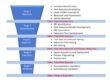
The Four-Phase Reality
Strategic initiatives projects have four distinct phases:
- Initiative Alignment – Define what success means before anyone builds anything
- Project Planning – Detailed scope, risk assessment, and the discipline to make a real Go/No Go decision
- Execution – Coordinated delivery across teams with competing priorities
- Integration – The phase most often overlooked: ensuring deliverables actually embed into daily operations rather than becoming expensive shelfware
That fourth phase is where most “successful” projects fail. The deliverable gets handed off, no one owns the operational transition, and six months later the organization has reverted to old patterns.
A Different Approach
Strategic initiatives projects deserve strategic leadership. The fractional executive model offers an alternative: bringing in seasoned project leadership for the duration of the initiative, someone who functions as project lead without displacing your team’s core focus. It’s the cost of expertise without the overhead of headcount.
The real cost of a failed strategic initiative project isn’t just the budget burned, it’s the organizational capacity you’ll never recover and the competitive advantage you’ll never capture.
Realize the ability to effectively manage your Strategic Initiative projects, Engage Strategic Initiative Solutions for a confidential consultation. Contact Stan Bryant at sbyant@sis-pm.com or 319.899.7949 to get the process started.